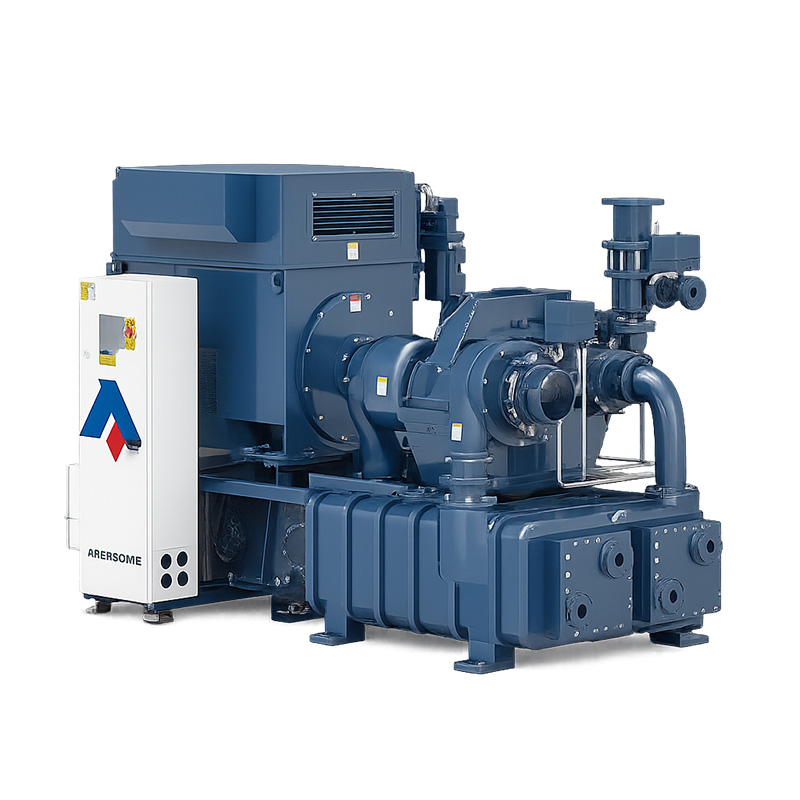
First of all, calculate the total plant air consumption and working air pressure, which serve as the core basis for model selection. It is necessary to distinguish the peak air flow during simultaneous air consumption and average air consumption, and reserve a 10%~20% margin for capacity expansion. The working pressure shall be determined according to equipment requirements: spraying and precision equipment mostly require 0.6~0.7MPa, while rock drilling and blow molding demand higher pressure. Meanwhile, evaluate the continuity of air usage. Permanent magnet variable frequency models are suitable for 24-hour non-stop production, whereas fixed-speed machines are an option for intermittent short-duration air demand. Matching is also required for ambient temperature, dust concentration and workshop humidity. Heavy-duty pre-filters shall be installed for dusty metal processing workshops, and enhanced heat dissipation units are required for high-temperature plants.
Standards for oil, water and solid impurities in compressed air vary drastically across different manufacturing sectors. Oil-injected air compressors can be adopted for hardware forging and general mechanical grinding. Oil-free air compressors are mandatory for automotive spraying, electronic circuit boards and food machinery processing to avoid product rejection caused by oil contamination. Refrigerated dryers, adsorption dryers and multi-stage precision filters shall be equipped for humid working conditions to lower the dew point. For metallurgical and chemical supporting workshops with explosion-proof requirements, air compressors fitted with explosion-proof motors must be selected to eliminate potential flammability and explosion hazards.
Air compressors in manufacturing plants run continuously all year round, with energy consumption accounting for the major operating cost. First-class energy efficiency permanent magnet variable frequency air compressors are the priority choice for stable high-flow air demand, delivering remarkable energy-saving effects for production lines with fluctuating loads. The unit dimension shall be determined based on the factory floor space: integrated silent air compressors fit small workshops, while large factories can deploy multiple units with linkage and group control systems. In addition, compare maintenance consumables and parts compatibility in the later service stage, and reserve space for central pipeline expansion for multi-line production facilities. If the budget permits, waste heat recovery units can be installed to recycle heat generated during air compression for production cleaning and heating, further cutting the overall energy consumption of the factory.